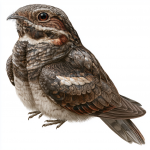
Grey-headed Lapwing
Vanellus cinereus
The Grey-headed Lapwing is a rare migrant to Britain, with sightings typically occurring during the spring and autumn periods, often in coastal areas. It is more commonly associated with its breeding grounds in northeast China and Japan, and wintering grounds in northern Southeast Asia.
Field Identification Guide
Use these features to identify Grey-headed Lapwing in the field.
The Grey-headed Lapwing can be identified by its distinctive grey head, brown back, and white underparts, as well as its long, black legs and broad, rounded wings. Its black forehead and throat patches are also notable features.
The Grey-headed Lapwing is slightly larger than a Redshank, but smaller than a Curlew.
The male Grey-headed Lapwing has a grey head, neck, and breast, with a brown back and white belly, and a distinctive black stripe running across its forehead.
Similar to the male, with no significant differences in plumage.
The Grey-headed Lapwing's call is a loud, shrill whistle, often transcribed as a sharp "pee-wee" or "pee-pee-pee" sound.
Grey-headed Lapwings are ground-dwelling birds that feed on insects, small invertebrates, and seeds, often running or standing still to scan for prey, and taking to the skies with a swift, direct flight when alarmed.
The Grey-headed Lapwing can be confused with other lapwing species, such as the Northern Lapwing, but can be distinguished by its grey head and neck, and black forehead and throat patches, which are not found on the Northern Lapwing.
Quick Facts
Who's spotted this?
Loading...
Recent community sightings
Loading recent sightings...