Pallas’s Grasshopper Warbler
Helopsaltes certhiola
Pallas's Grasshopper Warbler is a rare migrant to Britain, with sightings typically occurring during the spring and autumn migration periods, often in coastal areas and wetlands. It is a highly sought-after species among British birders due to its elusive nature and limited appearances in the country.
Field Identification Guide
Use these features to identify Pallas’s Grasshopper Warbler in the field.
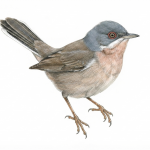
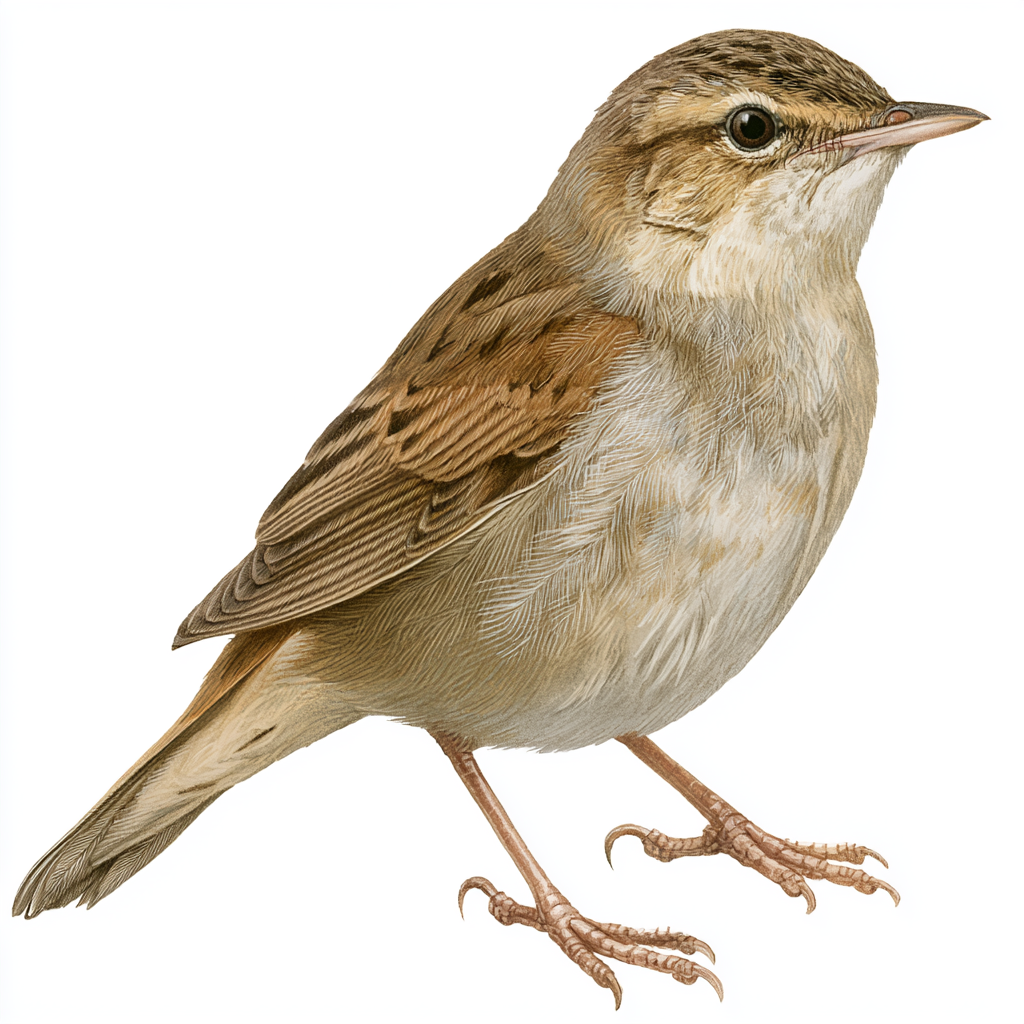
The species can be identified by its distinctive rusty-red rump, grey-brown back, and white underside, as well as its long, broad tail and short, pointed bill. Its overall appearance is quite distinctive, with a rounded head and a prominent white eye-ring.
Pallas's Grasshopper Warbler is slightly smaller than a House Sparrow, measuring around 11-12 cm in length.
The male's plumage is characterized by a grey-brown back, wings, and tail, with a distinctive rusty-red rump and white underside, while the head and neck are grey-brown with a white eye-ring.
The female's plumage is similar to that of the male, with a slightly duller colouration and less pronounced rusty-red rump.
The species' call is a sharp, metallic "tek" or "tink" sound, often repeated in a series, while its song is a rapid, insect-like buzzing or trilling.
Pallas's Grasshopper Warbler is a skulking species, often remaining hidden in dense vegetation, and can be seen foraging for insects and spiders in low-lying areas, with a distinctive, jerky flight style.
The species can be confused with other locustella warblers, such as the Savi's Warbler or the Grasshopper Warbler, but can be distinguished by its rusty-red rump, grey-brown back, and white underside, as well as its distinctive call and song.
Quick Facts
Who's spotted this?
Loading...
Recent community sightings
Loading recent sightings...