Little Bittern
Botaurus minutus
The Little Bittern is a rare and elusive summer visitor to Britain, typically seen in wetland areas with dense vegetation, particularly in the southern regions. It is most likely to be spotted during the breeding season, from May to July, although sightings are infrequent and often require patience and dedication.
Field Identification Guide
Use these features to identify Little Bittern in the field.
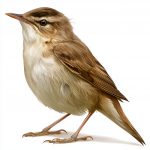
The Little Bittern can be identified by its yellow-buff plumage, black back stripes, and distinctive white throat patch, as well as its relatively small size and compact, heron-like shape.
The Little Bittern is smaller than a Grey Heron, roughly comparable in size to a large Moorhen.
The male Little Bittern has a distinctive black crown and back, with yellow-buff wings, breast, and belly, and a white throat patch, although the plumage can appear more subdued outside of the breeding season.
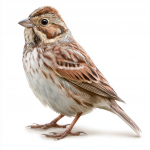
The female Little Bittern is similar to the male, but with a more subdued colouration, featuring a brownish-black crown and back, and a buff-yellow breast and belly.
The Little Bittern's call is a low, booming "huh-huh-huh" or "kuk-kuk-kuk", often heard at dawn and dusk, particularly during the breeding season.
The Little Bittern is a secretive and stealthy bird, feeding on small fish, frogs, and insects in dense wetland vegetation, and flying with a slow, deliberate wingbeat, often at dawn or dusk.
The Little Bittern can be confused with other small herons, such as the Night Heron, but can be distinguished by its smaller size, more compact shape, and distinctive yellow-buff plumage with black back stripes.
Quick Facts
Who's spotted this?
Loading...
Recent community sightings
Loading recent sightings...