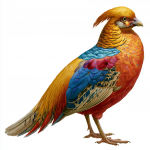
Grey Phalarope
Phalaropus fulicarius
The Grey Phalarope is a rare but intriguing visitor to Britain, typically seen during its migration periods, often blown off course or found on coastal areas, particularly in the autumn. It is most likely to be spotted in the UK between August and October, or occasionally in the spring.
Field Identification Guide
Use these features to identify Grey Phalarope in the field.
At a glance, the Grey Phalarope can be identified by its grey and white plumage, slender black bill, and distinctive black stripe running through its eye. Its relatively small size and rounded body shape also help distinguish it from other waders.
The Grey Phalarope is smaller than a Starling, measuring around 20-22 cm in length, which is comparable to a large thrush.
The male Grey Phalarope has a duller, more subdued plumage than the female, with a greyish-brown back and white belly, and a black stripe through the eye, with little seasonal variation in its basic colouration.
The female Grey Phalarope has a more vibrant plumage, with a reddish-brown back and white belly, and a black stripe through the eye, making it more colourful than the male, especially during the breeding season.
The Grey Phalarope's call is a sharp, high-pitched "tik" or "chip" sound, often repeated in a series, which can be heard during migration or when the bird is alarmed.
Grey Phalaropes are known for their unique feeding behaviour, where they will often swim on the water's surface, picking up small crustaceans and plankton, and they can also be seen flying low over the water, with a rapid, fluttering wingbeat.
The Grey Phalarope can be confused with other small waders, such as the Redshank or the Sanderling, but it can be distinguished by its more rounded body shape, slender bill, and distinctive black stripe through the eye, as well as its unique feeding behaviour.
Quick Facts
Who's spotted this?
Loading...
Recent community sightings
Loading recent sightings...