Velvet Scoter
Melanitta fusca
The Velvet Scoter is a rare winter visitor to Britain, typically seen in small numbers along the eastern and southern coasts, particularly during harsh weather conditions. It can be spotted from October to March, with the majority of sightings occurring in the North Sea and adjacent coastal areas.
Field Identification Guide
Use these features to identify Velvet Scoter in the field.
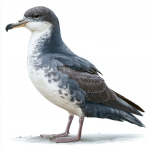
The Velvet Scoter can be identified by its distinctive black plumage, orange-yellow bill, and white patch on the wing, which is visible in flight. Its bulky shape and broad, rounded head are also notable features.
The Velvet Scoter is larger than a Mallard, with a sturdy build that is reminiscent of a small goose.
The male Velvet Scoter has a glossy black plumage with a purple sheen, and a distinctive orange-yellow bill, while its legs and feet are orange-red, with a blackish tarsus and toes.
The female Velvet Scoter is similar to the male, but with a slightly duller plumage and a darker bill, which is more brownish-yellow in colour.
The Velvet Scoter's call is a low, guttural "krek" or "krak" sound, often repeated in a series of two or three notes.
Velvet Scoters are social birds that often gather in large flocks, feeding on molluscs, crustaceans, and other marine animals in shallow coastal waters, and are known for their fast, direct flight style.
The Velvet Scoter can be confused with the Common Scoter, but can be distinguished by its orange-yellow bill and white wing patch, which are absent in the Common Scoter, as well as its more bulky build and broader head.
Quick Facts
Who's spotted this?
Loading...
Recent community sightings
Loading recent sightings...