Pied Flycatcher
Ficedula hypoleuca
The Pied Flycatcher is a migratory bird that breeds in Britain, typically seen in western and northern regions during the summer months, and is a rare but welcome sight for British birdwatchers. It can be spotted in woodland edges, parks, and gardens, particularly where there are mature trees with nesting holes.
Field Identification Guide
Use these features to identify Pied Flycatcher in the field.
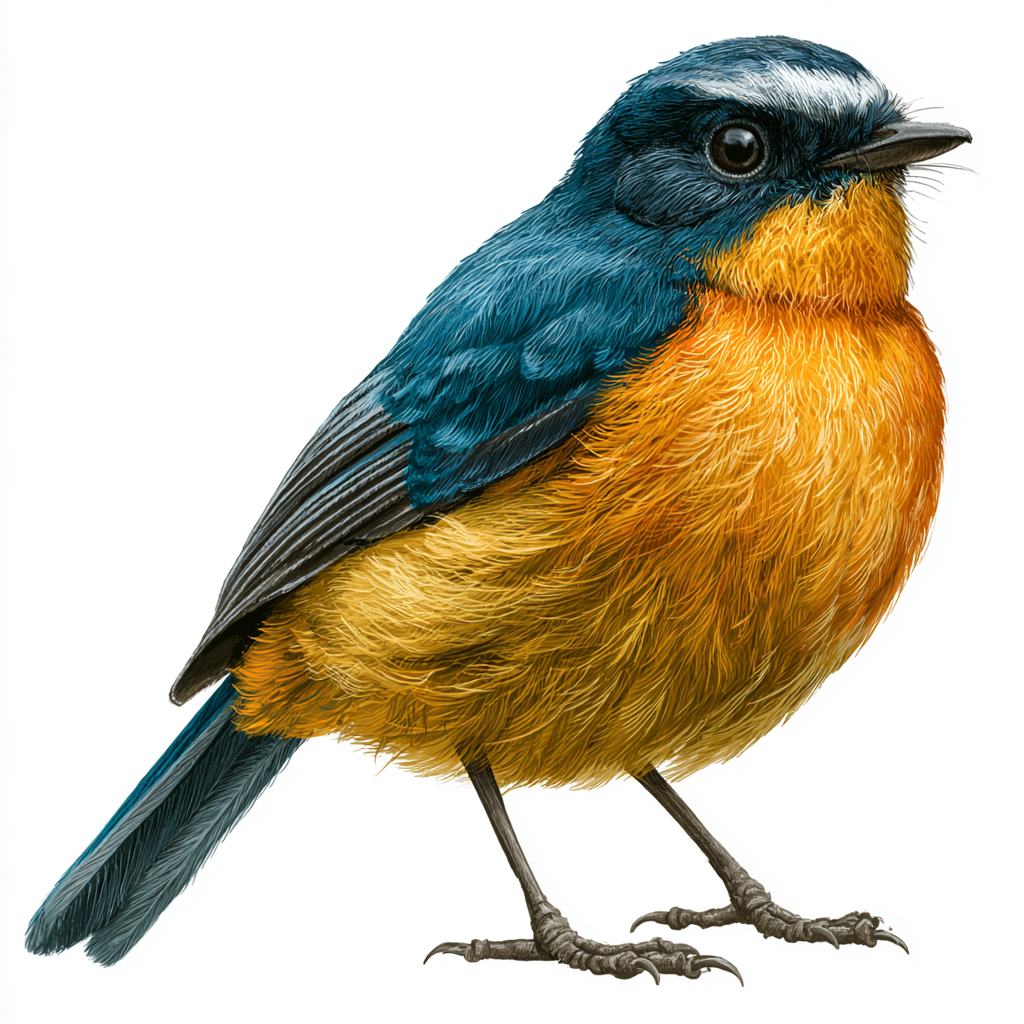
The Pied Flycatcher can be identified by its black and white plumage, white wing bars, and a distinctive white patch on its forehead, with a black throat patch that extends to the breast. Its upright posture and sharp, pointed bill are also notable features.
The Pied Flycatcher is smaller than a Starling, measuring around 12cm in length, and is larger than a Blue Tit.
The male Pied Flycatcher has a sleek black back, wings, and tail, with a white forehead, belly, and wing bars, and a black throat patch that contrasts with its white breast and belly, with little seasonal variation.
The female Pied Flycatcher has a similar but duller plumage to the male, with a brownish-grey back and wings instead of black, and a less pronounced throat patch.
The Pied Flycatcher's call is a sharp, melodic "tak" or "tick" sound, while its song is a series of whistled phrases that sound like "tee-cher, tee-cher, tee-cher".
The Pied Flycatcher is an agile and active bird that flits between trees, feeding on insects and spiders, and has a distinctive flight style, with rapid wingbeats and a tendency to hover in front of foliage.
The Pied Flycatcher can be confused with the Spotted Flycatcher, but can be distinguished by its black and white plumage, white wing bars, and white forehead patch, which are not found on the Spotted Flycatcher.
Quick Facts
Who's spotted this?
Loading...
Recent community sightings
Loading recent sightings...