Grasshopper Warbler
Locustella naevia
The Grasshopper Warbler is a rare and secretive summer migrant to Britain, typically seen in dense, low-lying vegetation in wetland areas from April to July. It is most often encountered in the southern and western parts of the country, where its skulking habits make it a challenging species to spot.
Field Identification Guide
Use these features to identify Grasshopper Warbler in the field.
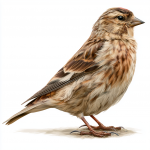
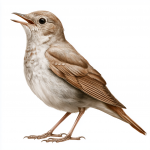
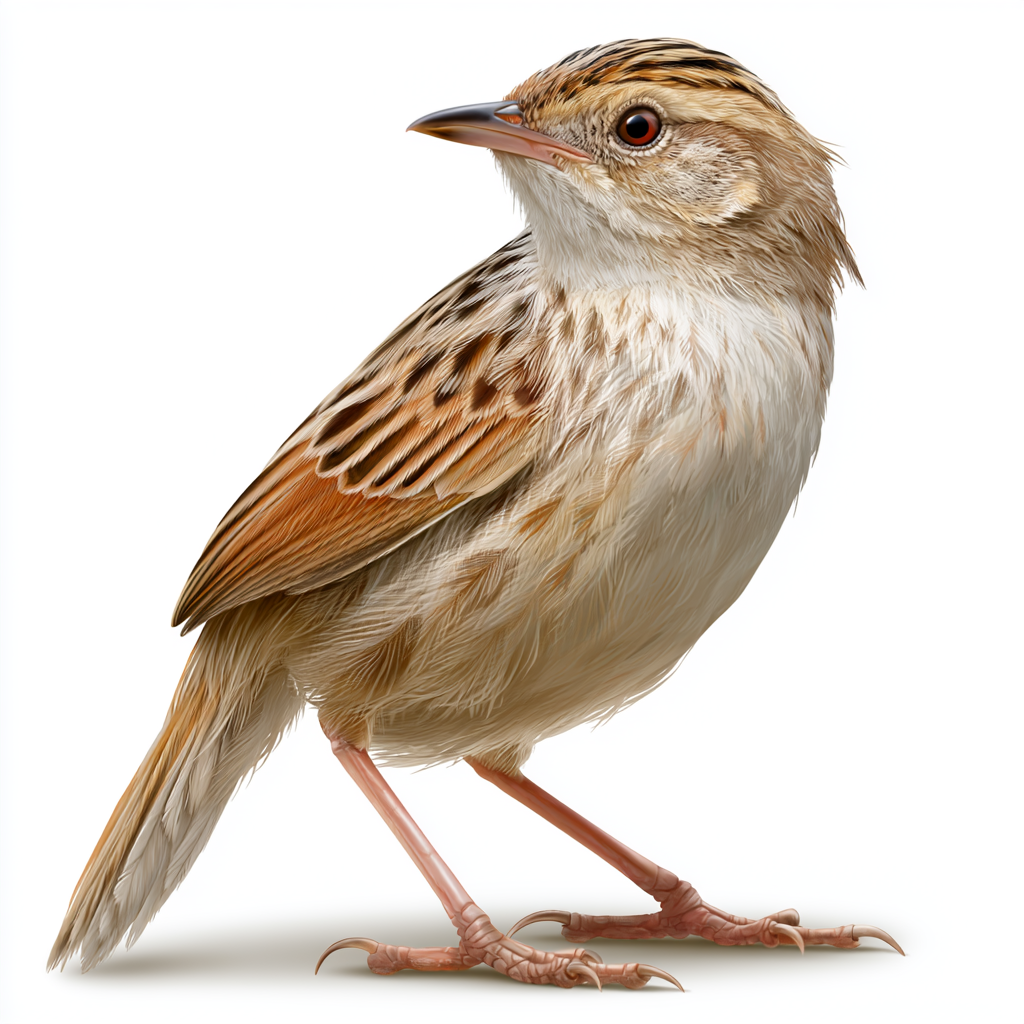
The Grasshopper Warbler can be identified by its broad, rounded head, long undertail coverts, and lack of distinctive wing bars or other markings, giving it a rather plain appearance. Its brownish-grey plumage and whitish throat patch are also key features to look out for.
The Grasshopper Warbler is slightly smaller than a House Sparrow, measuring around 11-13 cm in length.
The male Grasshopper Warbler has a brownish-grey back and wings, with a pale greyish-brown breast and belly, and a whitish throat patch, with little seasonal variation in its plumage.
The female Grasshopper Warbler is similar to the male, with no significant differences in plumage.
The Grasshopper Warbler's song is a distinctive, insect-like reeling or buzzing sound, often described as similar to the noise made by a grasshopper, from which it gets its name.
The Grasshopper Warbler is a skulking species that spends most of its time on or near the ground, feeding on small insects and other invertebrates, and flying only short distances when disturbed, with a characteristic weak and fluttering flight.
The Grasshopper Warbler can be confused with other Locustella warblers, such as the Savi's Warbler and the Aquatic Warbler, but can be distinguished by its broader head shape, longer undertail coverts, and distinctive song.
Quick Facts
Who's spotted this?
Loading...
Recent community sightings
Loading recent sightings...