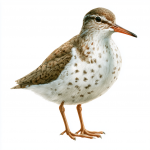
Yellow-legged Gull
Larus michahellis
The Yellow-legged Gull is a large gull species that can be seen in Britain, particularly during the summer months, with sightings more common in the southern regions. It is a rare but increasing visitor to British shores, with numbers swelling in recent years.
Field Identification Guide
Use these features to identify Yellow-legged Gull in the field.
The Yellow-legged Gull can be identified by its yellow legs, grey back, and white head, as well as its distinctive white mirror on the wingtips and a red spot on the lower mandible.
The Yellow-legged Gull is larger than a Lesser Black-backed Gull, with a more imposing presence.
The male Yellow-legged Gull has a slate-grey back, white head and underparts, and yellow legs, with a reddish-orange spot on the lower mandible, and its plumage remains largely consistent throughout the year.
The female Yellow-legged Gull is similar to the male, with no notable differences in plumage.
The Yellow-legged Gull has a loud, harsh call, often described as a deep, rasping "kraa" or "ga-ga-ga" sound.
Yellow-legged Gulls are opportunistic feeders, scavenging for food on beaches, in fields, and near human settlements, and they are known for their bold and confident nature, often walking or running with a distinctive gait.
The Yellow-legged Gull can be confused with the Herring Gull and Lesser Black-backed Gull, but it can be distinguished by its yellow legs, more slender build, and distinctive head shape, as well as its darker grey back and more pronounced white mirror on the wingtips.
Quick Facts
Who's spotted this?
Loading...
Recent community sightings
Loading recent sightings...